Ledger.com/Start – A Complete 1200-Word Setup Guide for Your Ledger Hardware Wallet
Setting up your Ledger hardware wallet is one of the most important steps in taking control of your cryptocurrency security. A hardware wallet protects your digital assets by keeping your private keys offline, reducing the risk of hacking, malware, and phishing. The onboarding instructions associated with ledger.com/start are designed to guide users through the initial setup process safely and correctly. This complete guide explains each step in detail, so you can configure your wallet with confidence and begin managing your crypto securely.
Why the Ledger Setup Process Is Essential
In the world of digital assets, ownership is determined entirely by control of private keys. When your private keys remain online—even in secure software wallets—they are potentially vulnerable to attacks. Ledger devices were created to eliminate this risk by storing your keys inside a secure hardware chip that never exposes them to the internet.
The setup process outlined through ledger.com/start is essential for three main reasons:
It verifies the authenticity of your device
It ensures you personally generate your recovery phrase
It teaches you the right security habits from day one
This foundation is critical, because it’s not enough to simply own a hardware wallet—you must set it up properly to benefit from its full protection.
Unboxing Your Ledger Device
When you open your Ledger Nano S Plus or Ledger Nano X box, you should find:
The Ledger hardware wallet
A USB or USB-C cable
Recovery phrase cards
A keychain or lanyard attachment
Quick-start and safety materials
Before beginning, check that your device appears brand new. A Ledger wallet should never arrive pre-configured, pre-seeded, or pre-loaded with any accounts. It must always be initialized by you alone. If anything seems unusual or already set up, reset the device before continuing.
Step 1: Powering On Your Ledger
To begin, turn on your Ledger device by pressing and holding both physical buttons. These buttons are used throughout the setup process for navigating menus, selecting options, and approving actions. When the device powers on, you will be guided through a series of introductory screens explaining the basics of how the wallet operates.
If at any point the device displays information suggesting it has been previously configured, perform a full reset. Your wallet should always start fresh so you can generate your own secure keys.
Step 2: Setting Up Your PIN Code
Your PIN code is the first layer of defense that prevents unauthorized access to your wallet. The device will prompt you to create a PIN, typically ranging from four to eight digits depending on the model.
To create a secure PIN:
Avoid using birthdays, repeated numbers, or simple sequences
Do not write it in obvious or easily discoverable places
Do not store it digitally or photograph it
Memorize it or record it in a secure offline location
The PIN protects the device from unauthorized use. Even if someone physically obtains your Ledger, they cannot unlock it without the PIN.
Step 3: Generating Your Recovery Phrase
The recovery phrase is the single most important part of your Ledger setup. It is a series of 24 words that act as the master backup to your wallet. This phrase is generated locally on your Ledger device and is unique to you.
Here’s how to handle this step correctly:
When the device shows the 24 words, carefully write each one in the exact order on the provided recovery sheet.
Double-check your spelling and order.
Store the recovery phrase in a safe, offline location.
Never take a picture of the phrase.
Never type the phrase into a website, computer, phone, or application.
Never share it—not with support agents, family, or friends.
After writing it down, your Ledger will ask you to confirm several words to ensure accuracy. This step protects against accidental mistakes.
Your recovery phrase is the ultimate key to restoring your crypto if your device is lost, stolen, or damaged. Treat it with the highest level of caution.
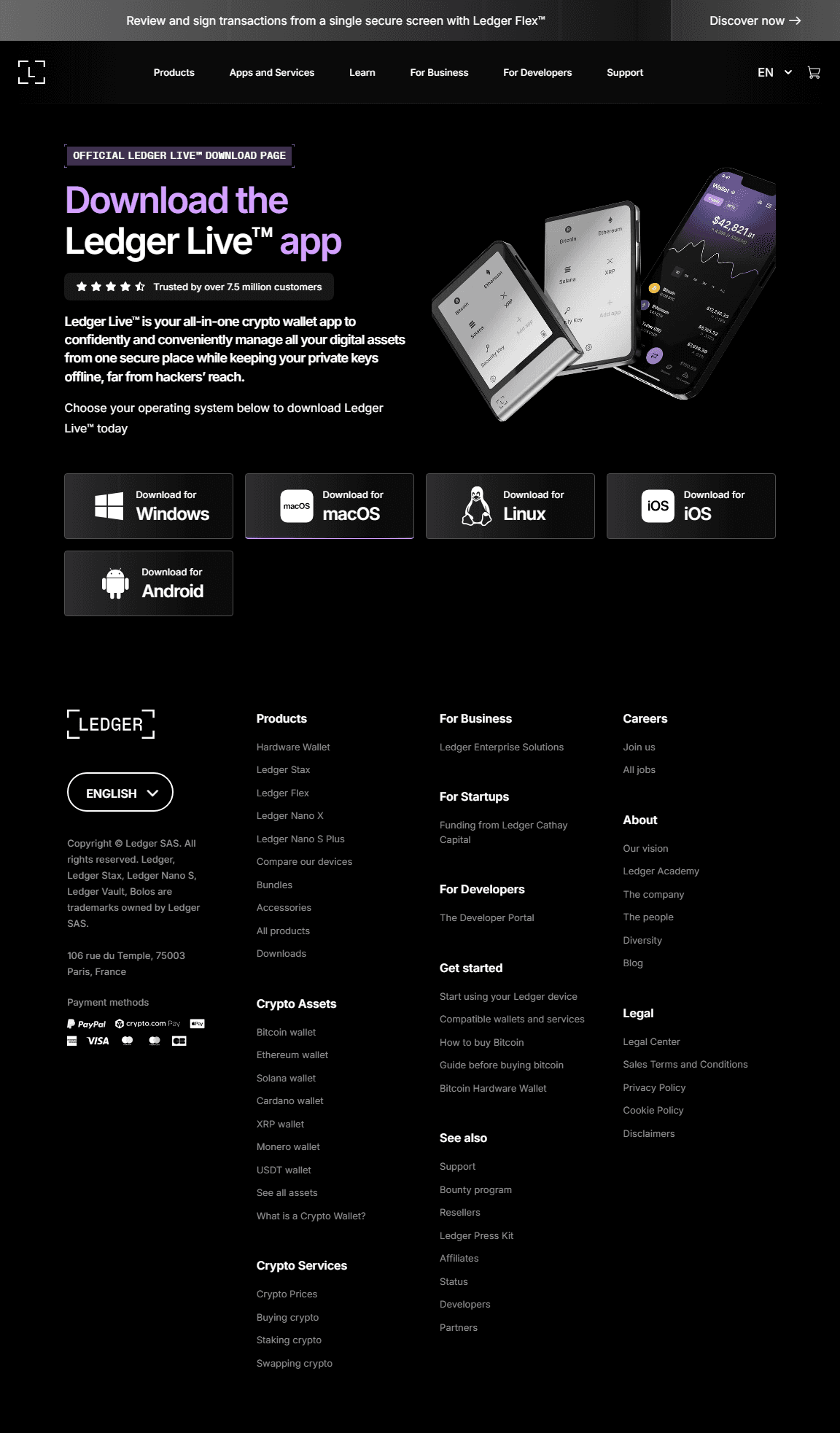
Step 4: Installing Ledger Live
Ledger Live is the software companion to your hardware wallet. It allows you to:
View balances
Install crypto apps
Add and manage accounts
Send and receive crypto
Update your device firmware
Once Ledger Live is installed, you’ll go through a setup flow that includes:
Device selection
Security reminders
Optional analytics preferences
App password setup (recommended)
Ledger Live enables you to manage your crypto portfolio, while the Ledger device handles all sensitive cryptographic actions.
Step 5: Connecting Your Device to Ledger Live
Next, connect your Ledger to your computer or smartphone. Unlock the device with your PIN. Ledger Live will then detect your device and walk you through a few checks to confirm that the wallet is genuine and operating correctly.
This integrity check ensures that you are using an authentic Ledger product and that the secure chip inside the device has not been tampered with.
Once the verification is complete, you can proceed with installing crypto-specific apps.
Step 6: Installing Blockchain Apps on Your Ledger
Ledger supports a large number of cryptocurrencies, and each one requires its own dedicated app installed directly on your hardware wallet. These apps allow the device to manage private keys for specific blockchains.
To install apps:
Open the “My Ledger” section in Ledger Live
Choose the apps for the cryptocurrencies you want to manage
Install them onto your device
Apps can be removed and reinstalled at any time without affecting your funds. Your private keys remain inside the secure chip, not in the apps themselves.
Step 7: Adding Accounts in Ledger Live
Once the required apps are installed, you can add accounts for each cryptocurrency.
To add an account:
Navigate to the Accounts section
Select “Add Account”
Choose the cryptocurrency you want to add
Connect and unlock your Ledger
Approve the request on the device
Ledger Live will then synchronize and generate public addresses associated with that blockchain. These accounts allow you to receive and track your assets.
Step 8: Receiving Crypto
When you are ready to receive cryptocurrency, follow these steps:
Select the appropriate account in Ledger Live
Click the option to receive
Ledger Live will display your receiving address
Verify the address on your Ledger device screen
Copy or share the address with the sender
Always verify the address on the hardware wallet itself. This step ensures that malware cannot alter or spoof your receiving address.
Step 9: Sending Crypto Safely
Sending digital assets is equally simple, but requires hardware confirmation for security.
To send crypto:
Select the account you want to use
Enter the recipient’s address
Specify the amount
Review the transaction details
Confirm the transaction directly on your Ledger device
This physical approval step prevents unauthorized transactions even if your computer is compromised.
Keeping Your Wallet Secure After Setup
Once your Ledger is fully configured, ongoing security depends on your habits. Follow these important guidelines:
Keep your recovery phrase offline and hidden
Never share your recovery phrase
Update your Ledger firmware regularly
Keep Ledger Live updated
Use strong passwords for your devices
Avoid plugging your Ledger into untrusted computers
Be cautious of imitation apps or fake support representatives
Store your physical device securely
Your Ledger provides the technology, but your habits ensure long-term protection.
Why Ledger Is a Trusted Name in Crypto Security
People choose Ledger because it combines advanced security features with practical usability. Its secure chip technology is widely recognized for protecting sensitive data, and the device architecture ensures private keys never leave the hardware wallet.
Ledger’s setup process is structured, intuitive, and thorough, making it suitable for beginners and experienced users alike. By following the steps associated with ledger.com/start, you establish a strong foundation that keeps your assets safe from both digital and physical threats.
Final Thoughts
Completing your Ledger setup through the guidance offered at ledger.com/start is the first step toward taking full ownership of your digital wealth. By setting your PIN, generating your recovery phrase, installing Ledger Live, and practicing proper security habits, you create a highly protected environment for storing and managing your crypto.